
Efficiency Gains: AUTOEQUIPS Camera Monitor System Reduces Drag and Fuel Use in Commercial Fleets
Oct 13, 2026

Shenzhen, Guangdong Oct 12, 2026 (Issuewire.com) - Aerodynamic and Operational Challenges Facing Modern Commercial Fleets
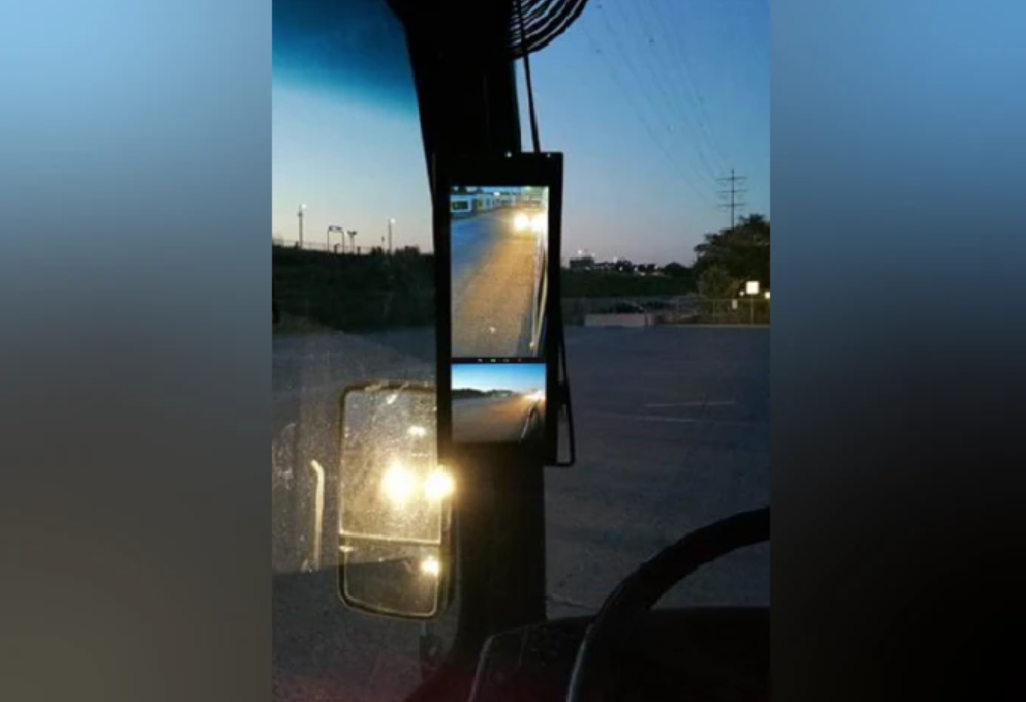
As commercial transport moves toward lower emissions and smarter operations, traditional exterior mirrors are increasingly seen as a bottleneck. Due to their substantial extension and windage area, conventional glass mirrors introduce notable aerodynamic drag during highway cruising, directly influencing fuel consumption and energy efficiency. Furthermore, physical mirrors inherently carry visibility limitations under adverse weather conditions, heavy precipitation, or nighttime glare. Addressing these operational challenges requires innovative indirect vision technologies that balance regulatory compliance with measurable efficiency gains. To bridge this gap between aerodynamic efficiency and operational safety, established specialized system providers have stepped in with tailored hardware and software solutions.
Established in 2000, AUTOEQUIPS operates advanced manufacturing facilities spanning 32,000 square meters across Taiwan and Huizhou. Holding critical industry credentials including ISO 26262 and ISO 21434 functional safety management system certifications, the organization focuses heavily on commercial vehicle video and AI sensing solutions. As an experienced China Camera Monitor System Supplier, the company delivers engineering solutions designed to tackle the practical pain points encountered by large logistics and trunk transportation fleet operators.
For fleet management teams, core decision-making logic centers on minimizing fuel and energy costs per 100 kilometers, reducing downtime and repair expenses caused by physical mirror collisions, and optimizing Total Cost of Ownership (TCO) across the vehicle lifecycle. Consequently, daily operational priorities involve:
- Reducing aerodynamic drag and wind noise during high-speed transit.
- Quantifying the impact of reduced windage on fuel economy and energy consumption.
- Mitigating physical damage and maintenance downtime resulting from tight spaces and height-restricted routes.
- Enhancing image clarity, contrast, and situational awareness in rain, snow, nighttime, and blind-spot environments.
Aerodynamic Optimization: The Impact of Exterior Camera Modules on Commercial Vehicle Drag
Traditional exterior rearview mirrors possess large surface areas that protrude outward from the cabin, disrupting smooth airflow and generating localized turbulence at cruising speeds. This aerodynamic drag increases engine load and fuel consumption over long-distance routes. By replacing bulky glass housings with streamlined exterior camera modules, commercial vehicles can achieve meaningful improvements in aerodynamic performance.
The engineering design of the camera units focuses on compact integration with the vehicle body geometry, lowering the overall drag coefficient (Cd). Compared to traditional mirror assemblies, the frontal cross-sectional area of the exterior camera brackets is significantly reduced, smoothing airflow past the cab doors and side panels. Real-world road evaluations and aerodynamic assessments showcased at international exhibitions such as the IAA Commercial Vehicles show and Busworld demonstrate tangible reductions in air resistance and wind noise.
From a hardware perspective, the system utilizes a lightweight dual-camera bracket configuration. Housings and optical components are engineered to withstand rigorous mechanical vibration ( 5G) and operate across wide temperature ranges from -40°C to +85°C, ensuring structural stability under high-speed dynamic wind loads and severe environmental exposure.
Image Acquisition and Display Performance Under Complex Operating Conditions
While aerodynamic drag reduction improves vehicle efficiency, maintaining high-fidelity visual information under diverse environmental conditions remains essential for driving safety. The system's image acquisition and display performance determine how effectively drivers can monitor surrounding traffic during low-light hours, severe storms, or blinding glare.
The technical specifications of the platform are built around a high-performance LVDS digital high-definition architecture supporting 1920--1280 resolution at 60 frames per second. End-to-end system latency is controlled within 200 milliseconds, with pure transmission latency kept below 80 milliseconds, fully complying with UNECE R46 regulatory mandates. Starlight-grade low-light sensitivity allows image capture down to 0.01 Lux, ensuring visible traffic lanes and obstacles in unlit rural environments.
Optical and processing technologies address challenging lighting challenges through several integrated methods:
- Anti-reflective coating technology minimizes surface light reflections on optical lenses, reducing ghosting and glare.
- High Dynamic Range (HDR) operating at 120dB suppresses headlight glare from trailing vehicles at night while mitigating LED traffic light and digital display flickering via LED Flicker Mitigation (LFM).
- Advanced Image Signal Processing (ISP) algorithms dynamically balance exposure and noise reduction in response to shifting ambient light levels.
- Inside the cabin, high-brightness (1000 cd/m²) and high-contrast (1000:1) display monitors prevent washout caused by direct sunlight.
- Environmental protection features include an IP69K camera enclosure rating combined with automated PTC or resistive-film heating for defrosting and defogging in freezing, wet conditions.
Auxiliary Safety Functions and System Architecture Design
Beyond functioning as an advanced indirect vision replacement for conventional mirrors, a modern Camera Monitor System integrates intelligent visual algorithms and hardware reliability measures to actively mitigate road risks.
The system incorporates AI-driven Blind Spot Detection (BSD) capabilities capable of identifying moving vehicles, pedestrians, and cyclists positioned in traditional vehicle blind spots. With a detection range extending up to 35 meters, the technology provides real-time visual and acoustic alerts to assist drivers during complex lane-changing and turning maneuvers in congested urban environments.
To guarantee uninterrupted operation under harsh commercial transport conditions, system architecture emphasizes physical and electrical reliability. A dual-lens physical redundancy setup ensures that if one optical channel experiences an unexpected fault, the secondary lens instantly maintains image output for critical field-of-view zones (Class II, IV, and V), preventing operational downtime or safety blind spots during transit.
Regulatory Compliance and Technical Support Ecosystem
Achieving successful commercial deployment across international markets requires strict adherence to regional homologation standards and robust technical support infrastructure.
The system complies with major global regulatory frameworks, holding UNECE R46, R10, and R118 certifications, China's GB 15084 standard, and relevant NHTSA exemption allowances, facilitating seamless deployment across diverse geographic territories. These technologies have been thoroughly validated and exhibited across prominent international trade events and high-profile commercial vehicle programs.
To support long-term fleet maintenance and operational oversight, the support ecosystem incorporates:
- Remote diagnostics capabilities alongside FOTA/OTA software upgrade support, enabling fleet maintenance teams to monitor system status and deploy firmware updates efficiently.
- Comprehensive engineering support spanning mechanical structural matching, rigorous electromagnetic compatibility (EMC complince per CISPR 25 Class 3) testing, and responsive after-sales service. Working closely with vehicle manufacturers and operators, AUTOEQUIPS fulfills its role as a dedicated Camera Monitor System Supplier committed to reliable long-term partnerships.
Energy Consumption and Operating Cost Analysis: Economic Evaluation for High-Mileage Fleets
For commercial transport operators managing large fleets with high annual mileage, operating expenses (OPEX) are heavily influenced by fuel expenditure and vehicle maintenance downtime. Aerodynamic drag reduction correlates directly with lower fuel consumption rates, yielding cumulative savings across high-mileage operating cycles.
In addition to direct fuel savings, the compact physical profile of exterior camera modules minimizes the frequency of accidental physical collisions in narrow loading bays, toll plazas, and congested city streets. This reduction in mirror-related damage lowers replacement component expenditures and eliminates unexpected vehicle repair downtime.
Real-world reliability data underpins these economic projections. Since the commercial mass production of the AUTOEQUIPS AHD platform in 2000-origin engineering developments and subsequent rollouts beginning in 2019, cumulative global real-vehicle running mileage has surpassed 269 million kilometers. This extensive operational history across leading international truck and bus platforms provides fleet managers with verifiable metrics.
Conclusion
The deployment of a specialized Camera Monitor System offers commercial fleets a proven pathway toward improved aerodynamic efficiency, reduced fuel consumption, and enhanced situational awareness. By replacing bulky exterior mirrors with streamlined camera modules, operators can lower vehicle drag coefficients while benefiting from advanced low-light imaging and integrated AI safety warnings.
As global environmental regulations and vehicle safety standards continue to tighten, electronic indirect vision systems represent an indispensable asset for modern transport networks. Backed by over 269 million kilometers of verified operational data, AUTOEQUIPS remains dedicated to delivering compliant, high-reliability video safety solutions to the global commercial vehicle industry. For detailed technical specifications and product inquiries, please visit the official website: https://www.autoequips.com.
Media Contact
AUTOEQUIPS TECH CO., LTD.
+86 0755 8601 6485
Room 04/11F, Block C, Wanhai Building, No.1031 Nanhai Avenue, Nanshan District, Shenzhen, Guangdong, China
Source :AUTOEQUIPS TECH CO., LTD.
This article was originally published by IssueWire. Read the original article here.
More News









YOUR NEWS, OUR NETWORK.
Do you have Great News you want to tell the world?
Be it updates about your business or your community, you can make sure that it’s heard by submitting your story to our network reaching hundreds of news sites across 6 verticals.